Beginner-Friendly Job Readiness Training Programs: Your Path to Success

Starting a new chapter in the workforce can feel overwhelming. We understand that stepping into the job market for the first time or after a break requires more than just enthusiasm. It calls for skills, confidence, and guidance. That’s why beginner job training is so important. Together, we can explore how these programs open doors, build essential skills, and prepare us for meaningful employment.
Why Beginner Job Training Matters
When we talk about beginner job training, we’re focusing on programs designed to help those new to the workforce or returning after some time away. These programs provide a foundation that makes the transition smoother and more successful. They cover everything from basic workplace etiquette to technical skills and interview preparation.
Imagine walking into your first job interview feeling calm and prepared because you’ve practiced your answers and learned how to present yourself professionally. That’s the power of beginner job training. It’s not just about learning tasks; it’s about building confidence and understanding the workplace culture.
What Beginner Job Training Typically Includes
Soft Skills Development: Communication, teamwork, problem-solving, and time management.
Technical Skills: Basic computer literacy, using common software, or industry-specific tools.
Resume and Interview Preparation: Crafting a resume that stands out and practicing interview techniques.
Workplace Readiness: Understanding employer expectations, punctuality, and professional behavior.
These elements come together to create a well-rounded candidate ready to take on new challenges.

Exploring Beginner Job Training Options in Hillsborough County
Living in Hillsborough County, we have access to several resources tailored to help young people like us prepare for the workforce. Local community centers, nonprofit organizations, and educational institutions offer beginner job training programs that are welcoming and easy to follow.
For example, some programs focus on hands-on learning, where we can practice real-world tasks in a supportive environment. Others provide mentorship opportunities, connecting us with professionals who guide us through the job search process.
When choosing a program, consider these factors:
Accessibility: Is the location convenient? Are there online options?
Curriculum: Does it cover the skills you want to develop?
Support Services: Are there additional resources like career counseling or job placement assistance?
Duration and Schedule: Does it fit your availability?
By selecting the right program, we set ourselves up for success and make the most of the training experience.
How to Make the Most of Your Training Experience
Participating in beginner job training is just the first step. To truly benefit, we need to engage actively and apply what we learn. Here are some tips to maximize your experience:
Set Clear Goals: Know what you want to achieve by the end of the program.
Ask Questions: Don’t hesitate to seek clarification or additional help.
Practice Regularly: Whether it’s interview skills or computer tasks, repetition builds confidence.
Network: Connect with instructors and fellow participants; these relationships can open doors.
Stay Positive: Challenges are part of learning. Keep a growth mindset.
Remember, every skill you gain brings you closer to your career goals.

The Role of job readiness training programs in Building a Brighter Future
One of the most valuable resources we can tap into is the range of job readiness training programs available through community initiatives. These programs are designed to empower us with the tools and knowledge needed to secure meaningful employment.
They often include personalized coaching, workshops on financial literacy, and opportunities to gain certifications that employers value. By participating, we not only improve our employability but also gain a sense of independence and purpose.
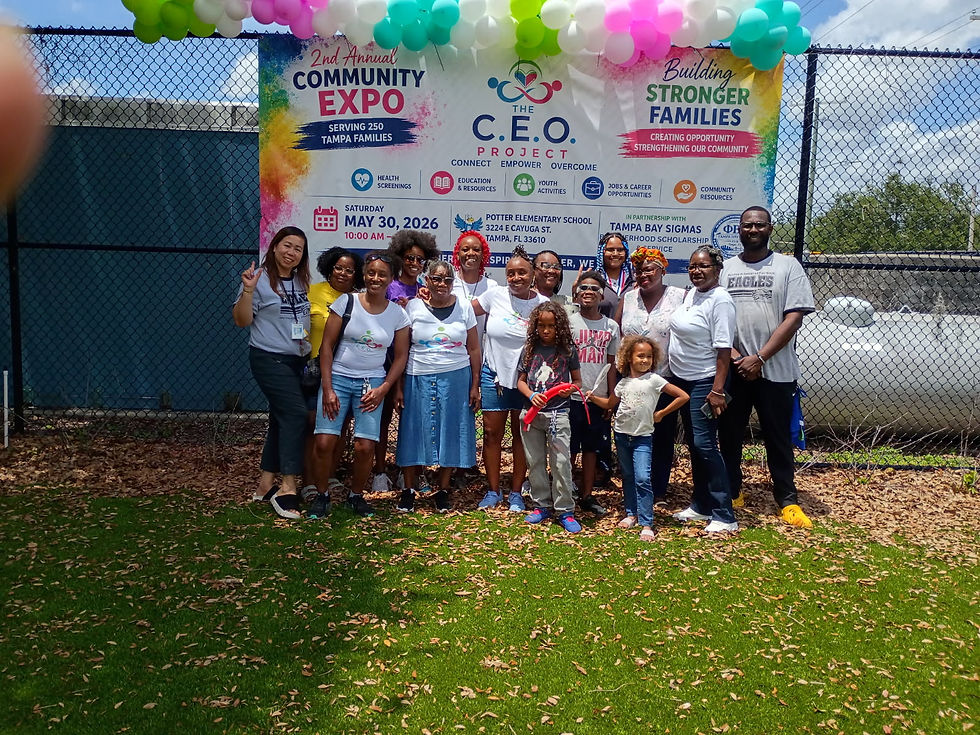
The C.E.O. Project Inc., for example, is committed to supporting young people in Hillsborough County by offering comprehensive training and ongoing support. Their approach helps us build skills, find jobs, and ultimately contribute positively to our communities.
Taking the Next Step: From Training to Employment
Completing a beginner job training program is a milestone, but the journey continues. Here’s how we can transition smoothly from training to employment:
Update Your Resume: Incorporate new skills and experiences gained.
Apply Widely: Don’t limit yourself; explore various industries and roles.
Prepare for Interviews: Use the techniques learned to present yourself confidently.
Follow Up: After interviews or job fairs, send thank-you notes or emails.
Keep Learning: Seek additional training or certifications to stay competitive.
By staying proactive and persistent, we increase our chances of landing a job that fits our skills and interests.
Embracing the Journey Together
Starting a career path can feel daunting, but with the right support and training, it becomes an exciting adventure. Beginner job training programs are here to guide us every step of the way. Let’s embrace these opportunities, build our skills, and step confidently into the workforce.
Together, we can create a future filled with possibilities, independence, and success. The journey begins with a single step - and that step is within our reach today.


Comments